Buddha Purnima Banner Vector Art: A Versatile and Meaningful Design Resource
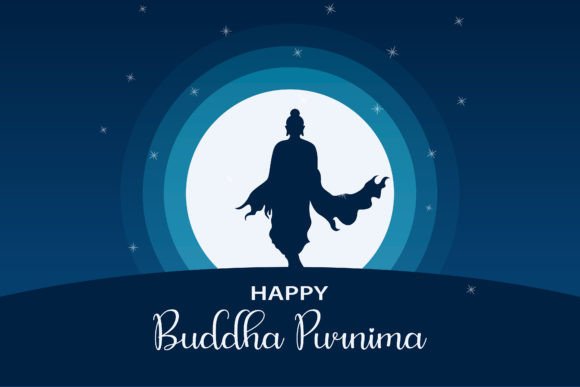
The Buddha Purnima Banner Vector Art is a digital illustration that captures the essence of the sacred festival of Buddha Purnima, also known as Vesak. This event commemorates the birth, enlightenment, and passing away (Parinirvana) of Siddhartha Gautama, the historical Buddha. The vector art offers a clean, scalable design that can be used across various platforms and mediums. With file sizes available in both EPS and JPEG formats, this artwork provides flexibility for different applications.
Understanding What Makes Buddha Purnima Banner Vector Art Unique
Buddha Purnima Banner Vector Art stands out due to its high-quality resolution and adaptability. The EPS file size of 2000 x 2000 pixels ensures sharpness when scaled up or down, making it ideal for print and digital use. The JPEG version, at 4000 x 2667 pixels, is optimized for web display while maintaining clarity. These specifications allow users to choose the format that best suits their needs without compromising on quality.
The design typically includes elements such as the Bodhi tree, the Dharma wheel, and symbols representing peace and enlightenment. These motifs are rendered with precision, ensuring that the final product is both visually appealing and respectful of the cultural and spiritual significance of the festival.
Comparing Buddha Purnima Banner Vector Art with Similar Options
When considering alternatives to Buddha Purnima Banner Vector Art, users may explore other digital illustrations or stock images that depict Buddhist themes. While these options may offer similar aesthetics, they often lack the scalability and customization potential of vector graphics. Raster-based images, such as those in PNG or JPEG formats, can lose quality when resized, which limits their versatility.
Another alternative is hand-drawn or traditional artwork. While these pieces can carry a unique artistic touch, they may not be as easily adapted for commercial or digital use. Vector art, on the other hand, allows for easy modification, making it a practical choice for designers, educators, and businesses looking to create consistent visual identities around the theme of Buddha Purnima.
Strengths and Tradeoffs of Using Buddha Purnima Banner Vector Art
One of the primary strengths of Buddha Purnima Banner Vector Art is its adaptability. Whether you're designing a website, creating a mobile wallpaper, or printing on physical products like t-shirts or mugs, the vector format ensures that the image remains crisp and clear at any size. This makes it an excellent option for both personal and commercial use.
However, there are tradeoffs to consider. For instance, while vector files are highly scalable, they may require specific software to edit, such as Adobe Illustrator or Inkscape. Users who are unfamiliar with these tools may find the editing process more complex compared to working with raster images. Additionally, the availability of free or low-cost alternatives may influence the decision-making process for some users.
Best Fit Situations for Buddha Purnima Banner Vector Art
Buddha Purnima Banner Vector Art is particularly well-suited for individuals and organizations looking to create professional-looking materials with a spiritual or cultural theme. Educators, religious institutions, and content creators can benefit from using this artwork to enhance their presentations, websites, or printed materials. Its high-resolution formats also make it ideal for large-scale prints, such as banners or posters, where clarity is essential.
For those interested in customizing the design, the vector format allows for easy adjustments. This means that users can modify colors, add text, or incorporate additional elements to suit their specific needs. This level of flexibility is especially valuable for businesses or individuals who want to maintain a cohesive brand identity while respecting the cultural significance of the festival.
Limitations and Decision Factors to Consider
While Buddha Purnima Banner Vector Art offers many advantages, it may not be the best choice for every user. Those who prefer simpler, more straightforward designs may find the complexity of vector graphics unnecessary. Additionally, if the goal is to create a quick and easy-to-use image for social media or personal use, a pre-made JPEG version may be more convenient.
Another factor to consider is the source of the artwork. Not all vector files are created equal, and the quality can vary depending on the designer or platform. It's important to verify that the file is properly formatted and that the design respects the cultural and religious context of Buddha Purnima. This ensures that the final product is both aesthetically pleasing and appropriate for its intended use.
Practical Use Cases for Buddha Purnima Banner Vector Art
The versatility of Buddha Purnima Banner Vector Art makes it suitable for a wide range of applications. For example, it can serve as a desktop or mobile wallpaper, offering a daily reminder of peace and mindfulness. It can also be used in scrapbooks or framed artwork, providing a meaningful addition to personal collections or public spaces.
Printed on physical products, the design can be incorporated into items such as cards, pillows, and bags. This allows users to share the message of Buddha Purnima in a tangible way, whether for personal reflection or as a gift for others. The ability to print on various surfaces also makes it a useful resource for small businesses or artisans looking to create unique, culturally inspired merchandise.
When to Choose Buddha Purnima Banner Vector Art Over Other Options
Buddha Purnima Banner Vector Art is the right choice when users prioritize quality, scalability, and customization. If the goal is to produce a professional-looking design that can be adapted for multiple uses, this artwork offers a reliable solution. It is particularly beneficial for those who need a high-resolution image that maintains its integrity across different formats and sizes.
However, if the primary need is for a simple, ready-to-use image without the need for editing or scaling, other options such as pre-designed JPEGs may be more suitable. Ultimately, the decision will depend on the specific requirements of the project and the user's familiarity with digital design tools.